
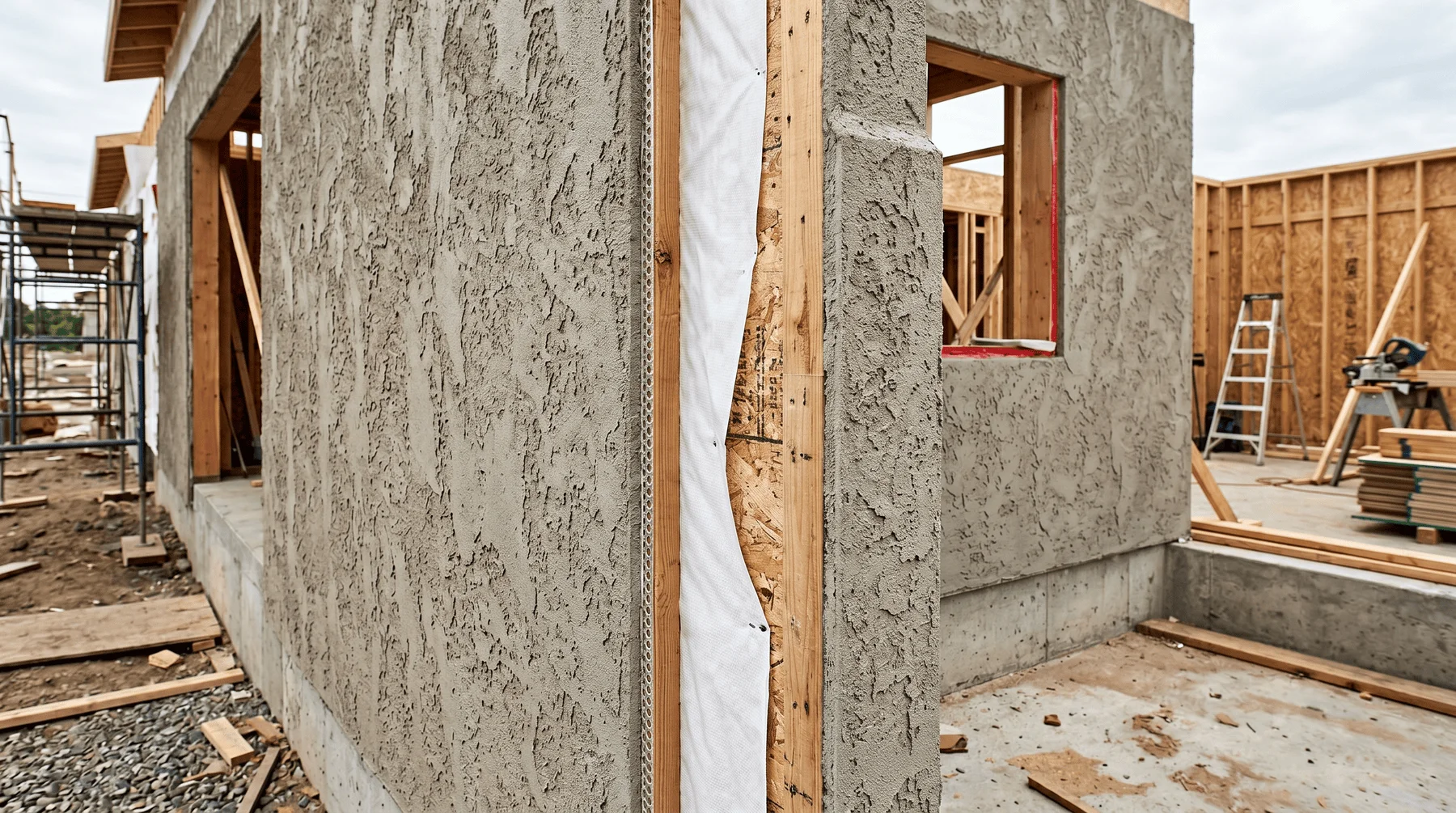
Building Envelope Moisture Management: Best Practices for Architects
Water intrusion is one of the leading causes of exterior wall failure. Even the most meticulously designed cladding systems can allow water behind the primary surface through joints, penetrations, and simple environmental exposure. Effective building envelope moisture management, therefore, isn’t about creating an impenetrable fortress; it’s about designing an intelligent system that anticipates and controls water. This requires a systems approach that integrates drainage, ventilation, and breathable materials. This article covers the core principles, common failure points, and proven strategies for creating wall assemblies that perform for decades.
TLDR
Effective building envelope moisture management requires a systems approach: control bulk water at the exterior, provide a clear drainage path for water that gets past it, promote drying through ventilation and breathable materials, and specify materials that tolerate wetting and drying cycles. The Stuc-O-Flex WaterWay 7mm Rainscreen provides a dedicated drainage plane that exceeds ICC/IRC AC-38 acceptance criteria, drains water 50 times faster than standard WRBs, and maintains 90% open cavity space. Pairing the drainage plane with a vapor-permeable finish also helps moisture escape rather than becoming trapped behind the coating, where it can contribute to blistering, peeling, and hidden substrate deterioration.
The Four Foundational Principles of Moisture Control
Effective moisture management in exterior walls is not about a single product but a holistic strategy built on four key pillars. Understanding these principles is the first step toward designing resilient and durable building envelopes.
- Control Bulk Water Entry: The first line of defense is to shed as much water as possible at the exterior face. This is achieved through proper design and installation of cladding, flashing at all penetrations and transitions, effective sealants, and a continuous weather-resistive barrier (WRB).
- Provide a Clear Drainage Path: Assume that some water will inevitably bypass the outer cladding. A successful wall assembly must provide an intentional, unobstructed path for this incidental water to drain harmlessly away. This prevents water from becoming trapped, where it can cause significant damage.
- Promote Drying: Walls must be able to dry out, both to the exterior and the interior. This is accomplished through ventilation within the wall cavity and the use of vapor-permeable or “breathable” materials that allow trapped moisture to escape as vapor.
- Use Durable Materials: Specify materials that can tolerate wetting and drying cycles without degrading. Materials that absorb and hold water, or that break down when exposed to moisture, create a high-risk environment for long-term failure.
Common Moisture Failure Modes and Their Causes
When moisture management principles are ignored, the results can be catastrophic. Understanding these common failure points helps architects and builders diagnose potential problems and design assemblies that avoid them.
- Trapped Moisture Behind Cladding: Non-breathable finishes or improperly detailed barriers can trap moisture that penetrates the cladding, leading to rot, mold, and corrosion of fasteners.
- Inadequate Flashing: Poorly installed or missing flashing around windows, doors, and roof-to-wall intersections is a primary entry point for bulk water.
- Lack of a Drainage Plane: Without a dedicated space for water to drain, hydrostatic pressure can build up, forcing moisture into the wall structure. This was a critical lesson from the widespread EIFS failures of the 1990s.
- Poor Ventilation: A lack of airflow within the wall cavity prevents assemblies from drying out after a wetting event, creating a perpetually damp environment ideal for mold and decay.
The Critical Role of Rainscreen Systems
Modern building science has overwhelmingly embraced rainscreen systems as a best practice for moisture management. A rainscreen assembly creates a continuous air gap, or cavity, between the exterior cladding and the weather-resistive barrier. This simple separation is incredibly effective. Rainscreen drainage mats, like the Stuc-O-Flex WaterWay system, provide a continuous, fixed drainage space that allows water to drain freely and air to circulate. The Stuc-O-Flex WaterWay 7mm Rainscreen exceeds ICC/IRC AC-38 acceptance criteria for weather-resistive barriers, drains water 50 times faster than standard WRBs, and maintains 90% open space within the drainage plane. This approach directly addresses the root cause of many moisture failures by eliminating trapped water and promoting rapid drying. The benefits include a significant reduction in the risk of mold and rot, improved drying potential for the entire assembly, and relief from hydrostatic pressure.
If your project demands the highest level of moisture protection, explore our WaterWay Rainscreen Solutions.
Why Breathable Finishes Are Essential for Drying
Just as important as drainage is the ability for a wall to dry. A breathable finish is a critical component of this process. High-performance coatings, such as Stuc-O-Flex Elastomeric Acrylic Finish, are engineered to be vapor-permeable. This means they block liquid water from entering but allow trapped moisture vapor to escape.
In contrast, rigid, non-breathable coatings can act as a second vapor barrier on the wrong side of the wall. They trap moisture that gets behind them, which can lead to blistering, peeling, and hidden deterioration of the substrate. An elastomeric, breathable finish not only protects the building from bulk water but also works as part of the drying mechanism, ensuring long-term wall integrity.
Recommended Wall Assemblies for Moisture-Prone Climates
Construction practices and stucco methods vary widely across North America. Traditional three-coat stucco systems remain standard in many regions, while others lean on cement board, EIFS, drainage mat assemblies, or direct-applied systems. The right assembly choice depends on substrate type, climate exposure, and regional construction conventions, and getting it right matters for long-term moisture management, crack resistance, and overall wall performance.
- Wood Frame in Humid or High-Rainfall Regions: A rainscreen assembly incorporating WaterWay drainage is the configuration Stuc-O-Flex typically recommends here. The continuous drainage and ventilation path behind the cladding lets incidental moisture escape rather than sitting against moisture-sensitive wood sheathing.
- Retrofit Over Existing Stucco: A flexible finish that bridges hairline cracks while keeping the wall breathable can refresh aged stucco without a full assembly replacement. Existing substrate condition, crack severity, and moisture exposure all need to be evaluated before specifying.
- ICF (Insulated Concrete Form) Construction: A flexible, durable finish that accommodates minor substrate movement is the right pairing for ICF walls. Final assembly selection depends on foam type, reinforcing requirements, and local code considerations.
- Cement Board and Panelized Construction: Where these systems are common, a Stuc-O-Flex assembly delivers stronger crack resistance and surface durability than a conventional paint coating. Joint treatment and drainage detailing remain critical to long-term performance regardless of finish.
Because regional practices, climate, and code requirements vary so widely, the Stuc-O-Flex team works directly with architects, consultants, and contractors to match the right assembly to each project’s specific conditions.
Lessons from the EIFS Failures of the 1990s
The 1990s EIFS boom produced one of the most significant moisture failures in modern exterior cladding history. Barrier-style EIFS assemblies were installed across the country without drainage capability, weather-resistant barriers, or secondary moisture management. Water that found its way in around windows, penetrations, rooflines, and transitions had no path out, and over time became widespread substrate deterioration, rot, mold, and structural repair bills, especially in wood frame construction.
The failure wasn’t EIFS technology itself. It was the assumption that a single outer barrier could keep all water out. In many regions, those assemblies went up without drainage mats, building paper, or what we now call house wrap, weather-resistant barriers. The reputational damage to the cladding industry was significant, and it still shapes how some specifiers approach exterior assemblies today.
Stuc-O-Flex was among the first manufacturers to act on the underlying lesson: successful wall assemblies have to manage water, not just try to block it. The company introduced WaterWay Rainscreen technology in 1997 to give walls a dedicated drainage and drying cavity behind the cladding, an approach the broader industry has since adopted as a best practice.
Properly designed stucco and EIFS assemblies today incorporate drainage planes, weather-resistant barriers, integrated flashing, and pathways for incidental moisture to escape rather than become trapped. These are the foundational principles of modern moisture-managed construction.
For wood frame construction and other moisture-sensitive assemblies, drainage-oriented systems like WaterWay continue to be Stuc-O-Flex’s recommended approach. Combined with proper detailing and installation, they promote drying, reduce moisture entrapment risk, and extend overall wall durability.
The 1990s failures permanently changed how exterior cladding gets specified, and they reinforced the principle that still guides modern wall design: successful stucco and EIFS assemblies have to manage water, not simply try to prevent it.
For projects involving stucco repair or remediation, see our proven remediation applications.
Frequently Asked Questions
What is a rainscreen system?
A rainscreen system is a wall assembly that includes a small air gap between the exterior cladding (like stucco or siding) and the building’s main weather-resistive barrier. This gap acts as a drainage plane and ventilation cavity, allowing any water that gets behind the cladding to drain away and promoting airflow to dry the wall.
How does moisture damage building envelopes?
Moisture damages building envelopes by causing materials to rot, corrode, or delaminate. It can lead to mold growth, which compromises indoor air quality. It also reduces the effectiveness of insulation and can eventually lead to structural failure of wall components.
What are the signs of moisture problems in exterior walls?
Visible signs include staining or discoloration on interior or exterior walls, peeling or blistering paint, efflorescence (a white, powdery deposit on masonry), and visible mold or mildew. A musty smell indoors can also indicate hidden moisture.
Conclusion: Moisture Management Is a Systems Approach
Designing a durable, high-performance building envelope requires thinking beyond a single barrier. Effective moisture management is achieved through an integrated system where cladding, flashing, barriers, drainage planes, and finishes all work together. By controlling bulk water, providing a path for drainage, promoting drying with ventilation and breathable materials, and using durable components, you can create wall assemblies that stand the test of time.
Ready to Design a Better Wall Assembly?
Understanding the principles of moisture management is the first step. The next is specifying the right components. If you are ready to incorporate advanced moisture control into your next project, our team is here to help with technical data and system specifications.